
Most Melbourne businesses have moved a large share of their staff training online. It feels efficient. It cuts down on paperwork. It allows managers to track progress and prove compliance. Yet many supervisors will quietly admit that new staff often finish an online module and still forget key steps. Safety notes get missed. Procedures are skimmed. Important information is absorbed only in fragments.
It is not that digital training has failed. It is more that screens do not hold our attention in the way we think they do. When staff complete an induction on the same device that carries messages, habits and distractions, the learning experience can lose depth. A growing body of recent research supports this. Studies since 2020 show that people often understand and remember complex information more reliably when they read it on paper instead of on a screen. One workplace experiment published in 2025 found that employees performed significantly better on comprehension tests when they had a printed booklet alongside their e-learning module. They slowed down. They focused. They remembered more.
For small and medium businesses, this confirms a simple truth many have sensed for years. Online training is convenient, but it often works best when paired with something physical that anchors the information. A clear, durable printed guide can be the difference between training that ticks a box and training that truly sticks.

The signs show up across Melbourne in all kinds of workplaces.
A cafe manager in Fitzroy trains a new barista through a digital module, only to find the milk texturing steps are forgotten an hour later. A construction company in Footscray notices that apprentices complete an online safety induction but still ask the same questions on site. A warehouse in Dandenong rolls out a new scanning process, yet shift leaders spend the next week re-explaining the basic sequence of steps.
It is not laziness. It is how screens are used. They encourage scanning and fast movement. Reading feels lighter. The mind drifts more easily. Research in recent years confirms what many businesses already know. Staff pay closer attention when information is printed. There are fewer distractions, fewer pop-ups and fewer split decisions about which window to look at next.
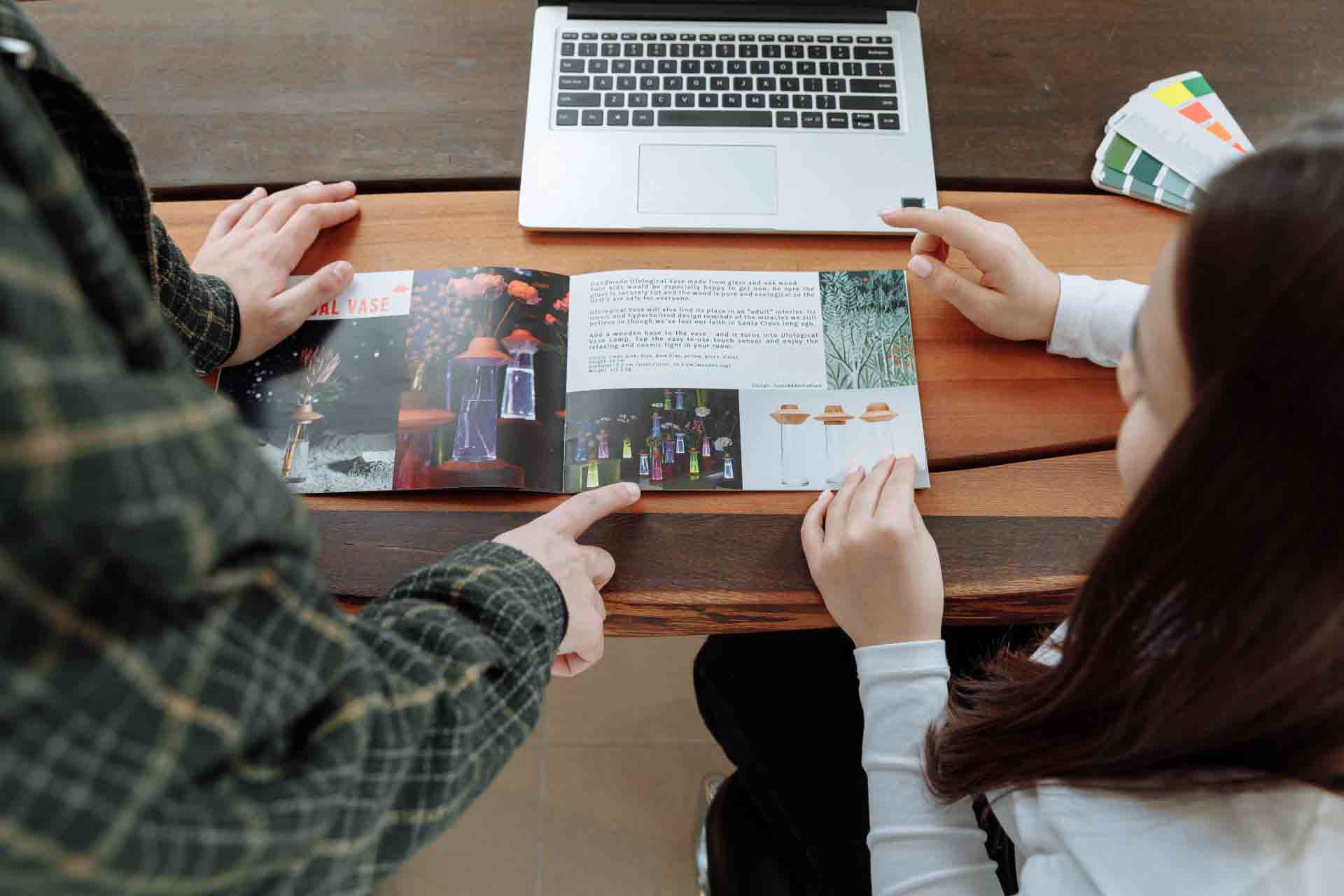
Printed guides are not a sentimental holdover from the past. They solve practical problems that digital formats sometimes struggle with.
A printed page slows the reader slightly, which improves concentration. People can flip back and forth without losing their place. Diagrams and step-by-step instructions sit still on a page, not inside scrollable frames. Staff can circle, underline or place a finger next to a step. They can leave the booklet open on a table during a shift and refer to it quickly.
The workplace experiment published in 2025 showed this effect clearly. Employees who had printed summaries alongside their digital training scored higher on tests than employees who only saw the material online. The difference was not marginal. It was the kind that decides whether someone almost understands a process or can follow it confidently under pressure.
Certain types of training benefit from print far more than others. These are the areas where high quality printed guides can lift performance almost immediately.
Warehouse pick paths, equipment calibration, installation tasks and customer service flows can be confusing when viewed on a phone. Printed maps and checklists make it easy to see what comes next.
Many businesses hesitate to print training guides because they want to minimise waste or present themselves as environmentally conscious. It is a reasonable concern. Yet recent research shows a more nuanced picture. The 2025 workplace study that tested print-supported training also looked at environmental impacts. When the energy use of devices, charging, data networks and data centres was factored in, the inclusion of printed materials did not automatically increase total environmental impact. For small, durable documents that will be used repeatedly, print can be a balanced choice.
The point is not to print everything. It is to print the things that matter. A well-designed training guide that lasts a year and supports dozens of shifts can be more sustainable than multiple hours of screen use and repeated retraining.
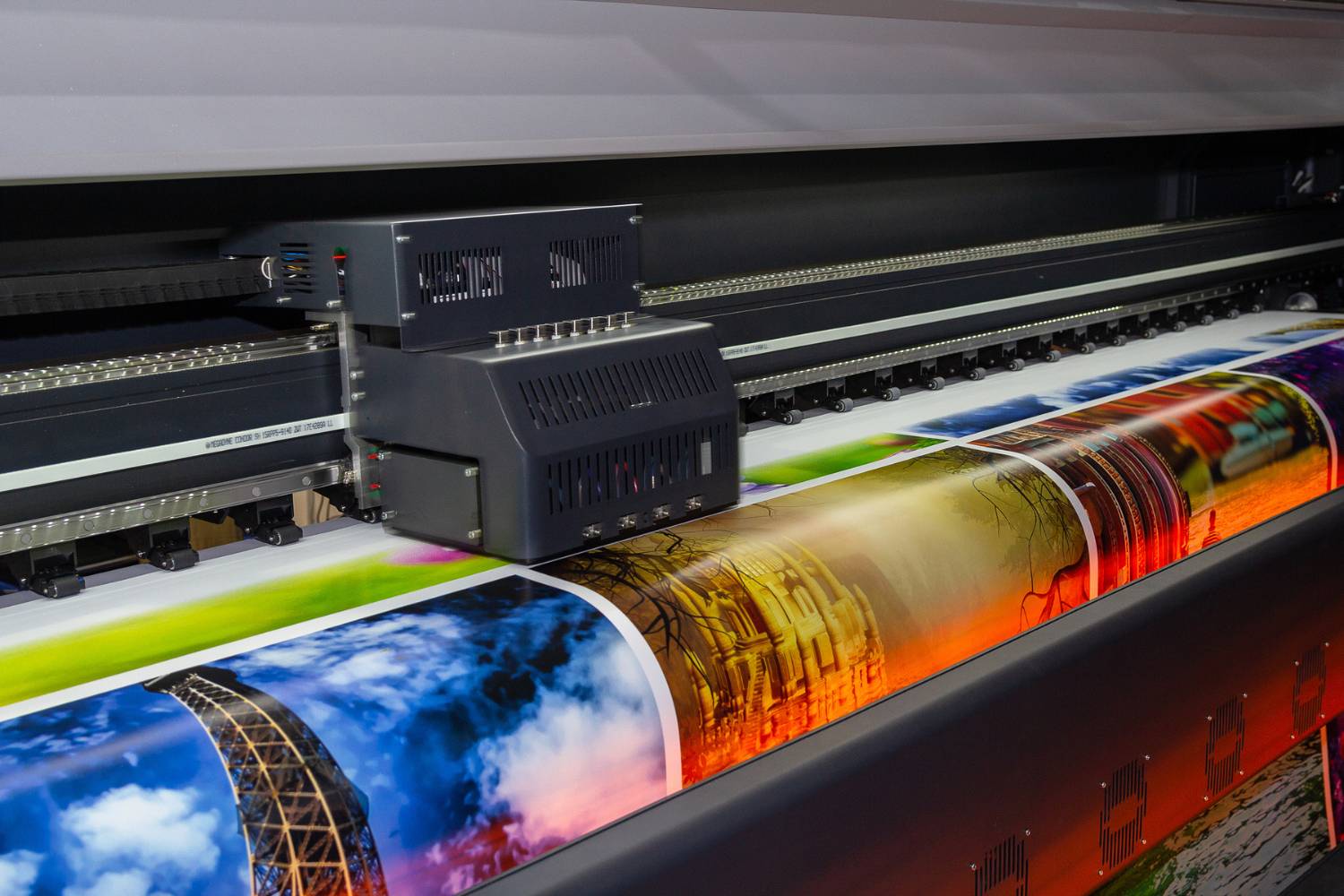
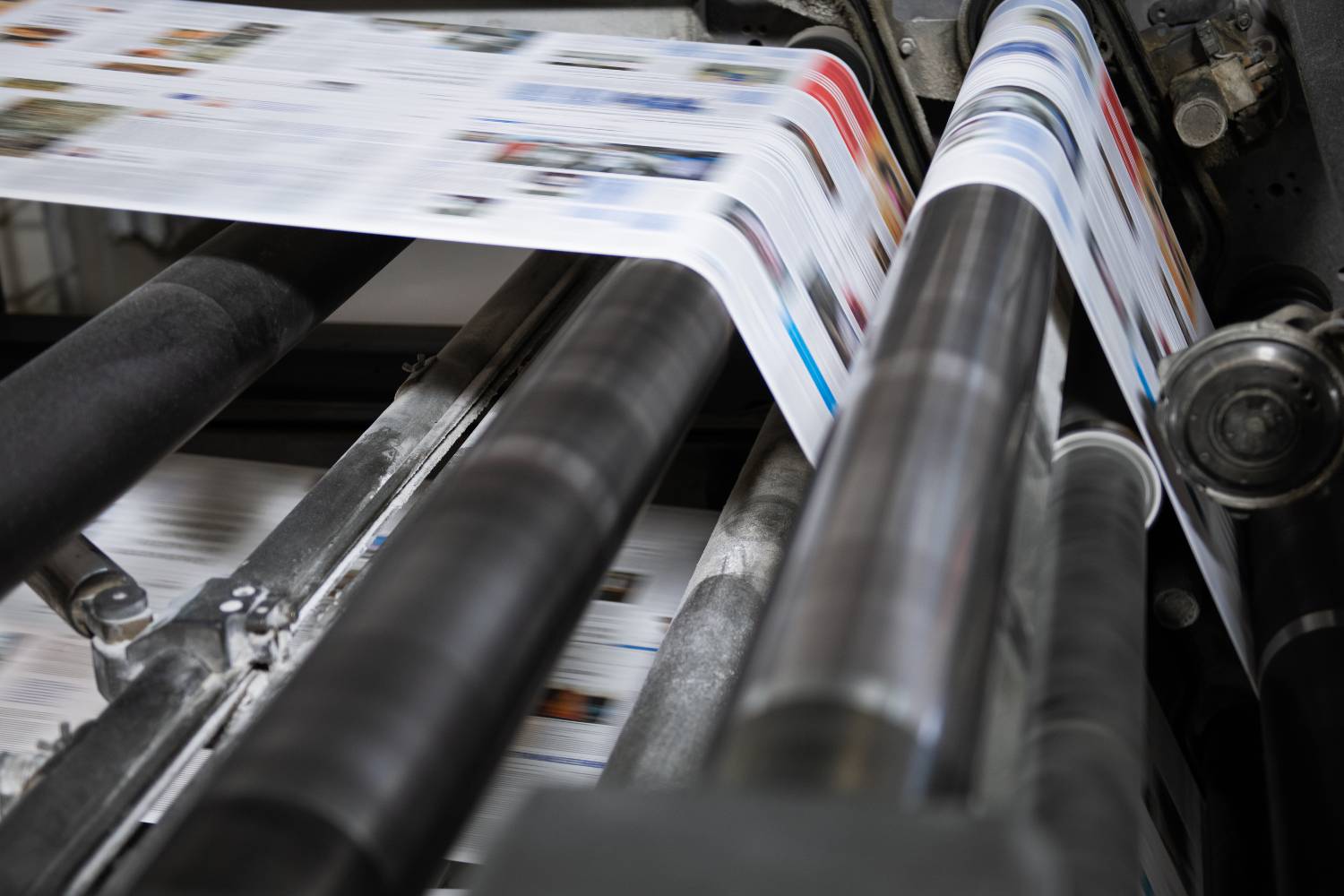
Businesses do not need thick textbooks or complicated binders. The most effective printed training guides share a few simple qualities.
This is where professional printing adds value. It transforms the same information into a format that works better for human behaviour.
Most businesses do not need to change everything. A balanced approach tends to work best.
Digital training is here to stay, and it has many strengths. But Melbourne businesses are discovering that staff learn certain things faster and more reliably when they have a printed guide in front of them. When work is complex, safety-critical or fast-paced, the printed manual still plays an important role. It helps new staff feel more confident, reduces mistakes and supports more consistent work across every shift.