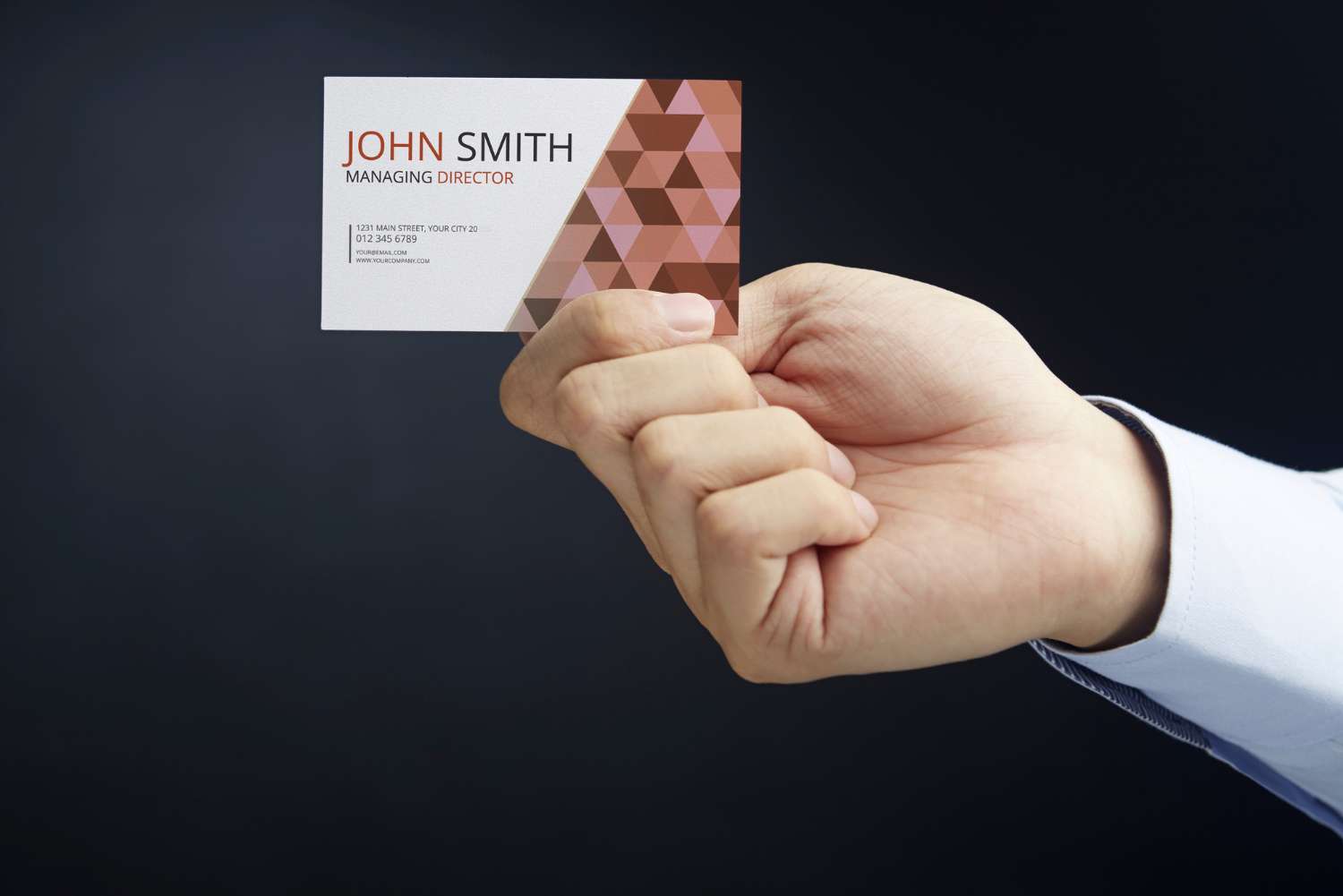
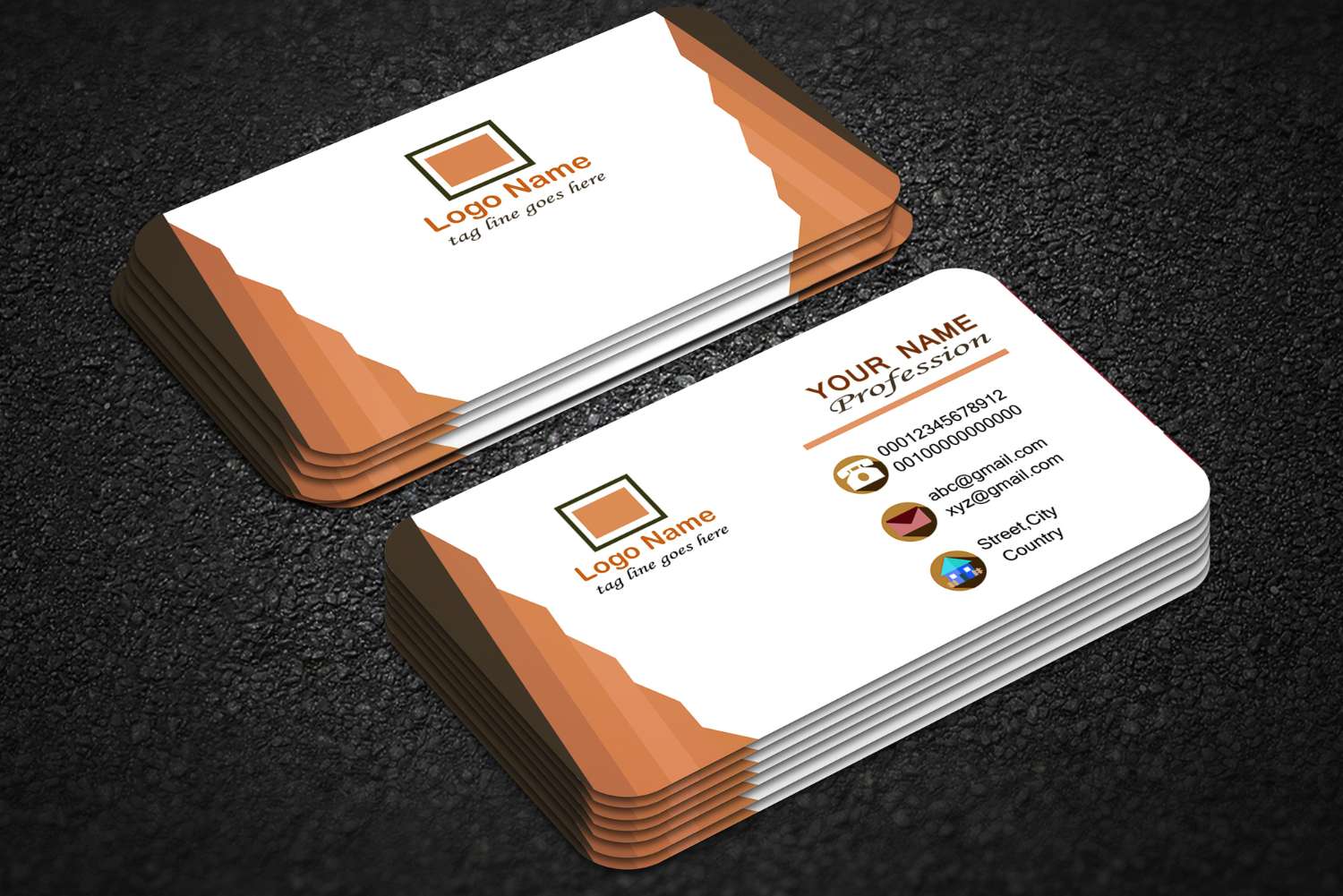
Are business cards still worth producing in an age of digital contacts and QR codes? Many people assume they have faded into the background, yet they continue to appear in meetings, conferences and quick introductions. The small rectangle of card stock still carries weight because it is often the first physical expression of a brand.
A business card can signal competence, attention to detail and confidence. The thickness of the stock, the sharpness of the colour and the feel of the finish all influence the impression it leaves. Two cards with the same details can feel completely different, and those differences shape how the person behind the card is remembered.
The qualities that set a strong business card apart come down to decisions about stock, colour accuracy, design and finishing. These choices matter more than most people realise when they place their next order.
Digital communication has not replaced the business card. Research into buyer behaviour shows that people remember tactile experiences more vividly than digital ones. A printed card offers weight, texture and presence. These small details can help build trust long before a meeting is finished.
Common situations where a high quality card still carries influence:
Cards that look flimsy, inconsistent or difficult to read can send the wrong message even when the business behind them is exceptional.
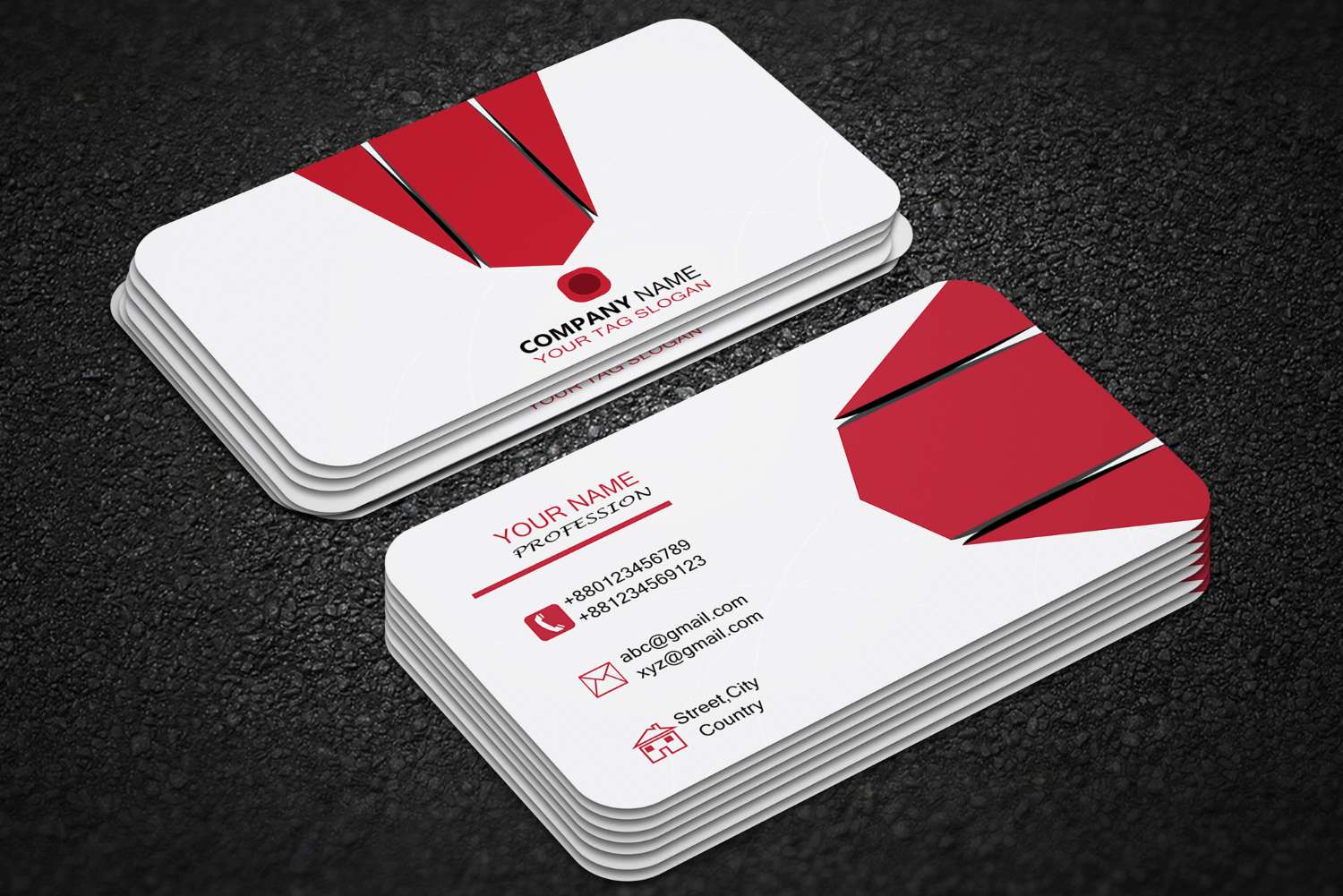
The paper is the first clue to quality. Many cards fail because the stock bends easily or feels thin. Businesses often regret choosing cheaper stock after seeing how quickly cards wear out in wallets and pockets.
Popular choices for durable, professional cards include:
Melbourne businesses often choose 400 gsm or higher for longevity. The card stays flat, resists marks and holds its shape through repeated handling.
Poor colour accuracy is one of the most common problems in business card printing. Dark blues may look washed out. Blacks can appear grey. Brand colours may drift between print runs if the wrong process is used.
A reliable card uses:
Finishing choices are not decorative extras. They play a practical role in durability and ease of use.
Useful finishes include:
A business card does not need to be complex to stand out. Strong cards rely on clean design, balanced spacing and clear typography.