
The board pack is due at nine. By half past seven, someone in a Docklands office is standing over the printer watching forty copies crawl out, collating tabs by hand, discovering the cover stock has jammed the feeder for the third time and accepting that the meeting will start with documents that look like they were finished in a hurry. They were.
It is a scene that plays out across Melbourne’s central city more often than most firms would admit, and it is not a printer problem. It is a job-selection problem. The office machine handles drafts, internal notes and the sort of paperwork nobody remembers the next day. It was never built to produce finished documents that have to hold up in front of clients, investors, delegates or staff.
This matters more in central Melbourne than in most Australian cities because of what sits inside the municipality. The City of Melbourne describes a central economy shaped by finance, professional services, healthcare, education and a busy events calendar. More than 600,000 jobs sit inside the municipality, and close to two-thirds of the city’s economic activity is tied to the knowledge sector. Finance, professional services and computer systems alone drove almost half of Melbourne’s economic growth over the past decade.
That concentration creates specific document pressures. CBD and Docklands offices produce board papers, proposal packs and pitch documents. Parkville’s health and education organisations produce manuals, handbooks and training materials. South Wharf and the MCEC generate a recurring stream of brochures, booklets, schedules, signage and expo collateral on tight deadlines. MCEC reported more than three million visitors and 692 events in 2024. In practical terms, that means a large number of Melbourne businesses are producing materials for conferences, expos and trade activity where presentation is part of credibility.
When a failed in-house print run costs an afternoon of highly paid staff time in a city where almost 90 per cent of the workforce commutes in from outside the municipality, the savings from keeping the job on the office machine start to look thin.
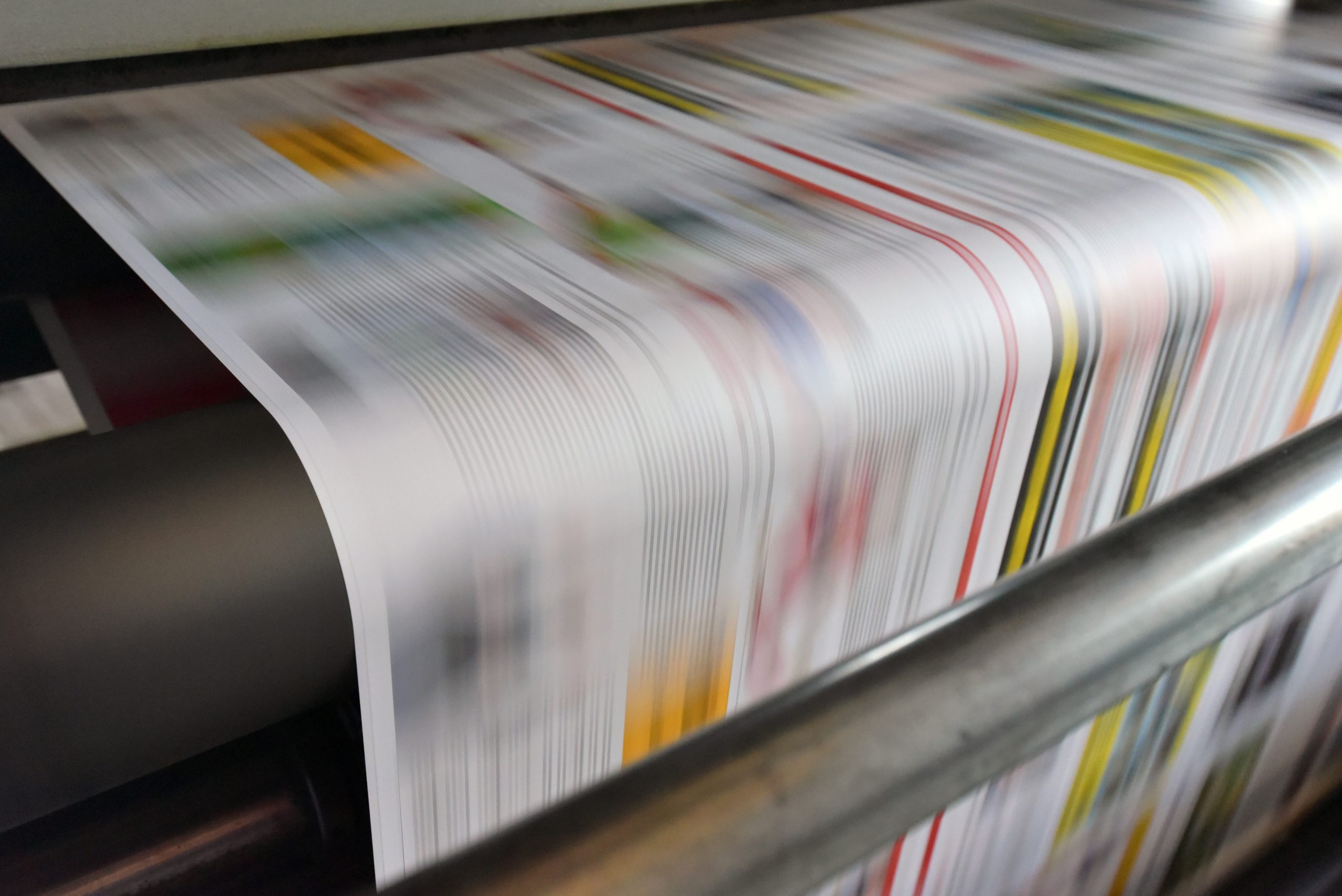
The hard part usually starts after the pages leave the tray. Printing the sheets is the easy step. The work that follows is where office equipment and office staff run out of room.
| Melbourne context | Job type | Where in-house fails | What commercial print solves |
|---|---|---|---|
| CBD and Docklands professional services | Board packs, pitch documents, proposal folders | Time lost in collation, assembly and repeated sets | Cleaner finishing, consistent presentation, less staff time at the machine |
| South Wharf and MCEC events | Brochures, booklets, inserts, expo collateral | Inconsistent colour, cracked folds, rushed preparation | One production workflow across multiple formats |
| Parkville health and education | Training manuals, handbooks, information packs | Wrong binding, poor note-taking surfaces, weak durability | Binding and stock matched to repeated use |
| Property and construction across inner Melbourne | Presentation folders, capability statements, reports | Office devices struggle with heavy stock and folder assembly | Heavier board, lamination, pockets and clean finishing built into the process |
The common thread is not geography for its own sake. It is the type of work concentrated in each part of Melbourne and the kind of print that work generates.
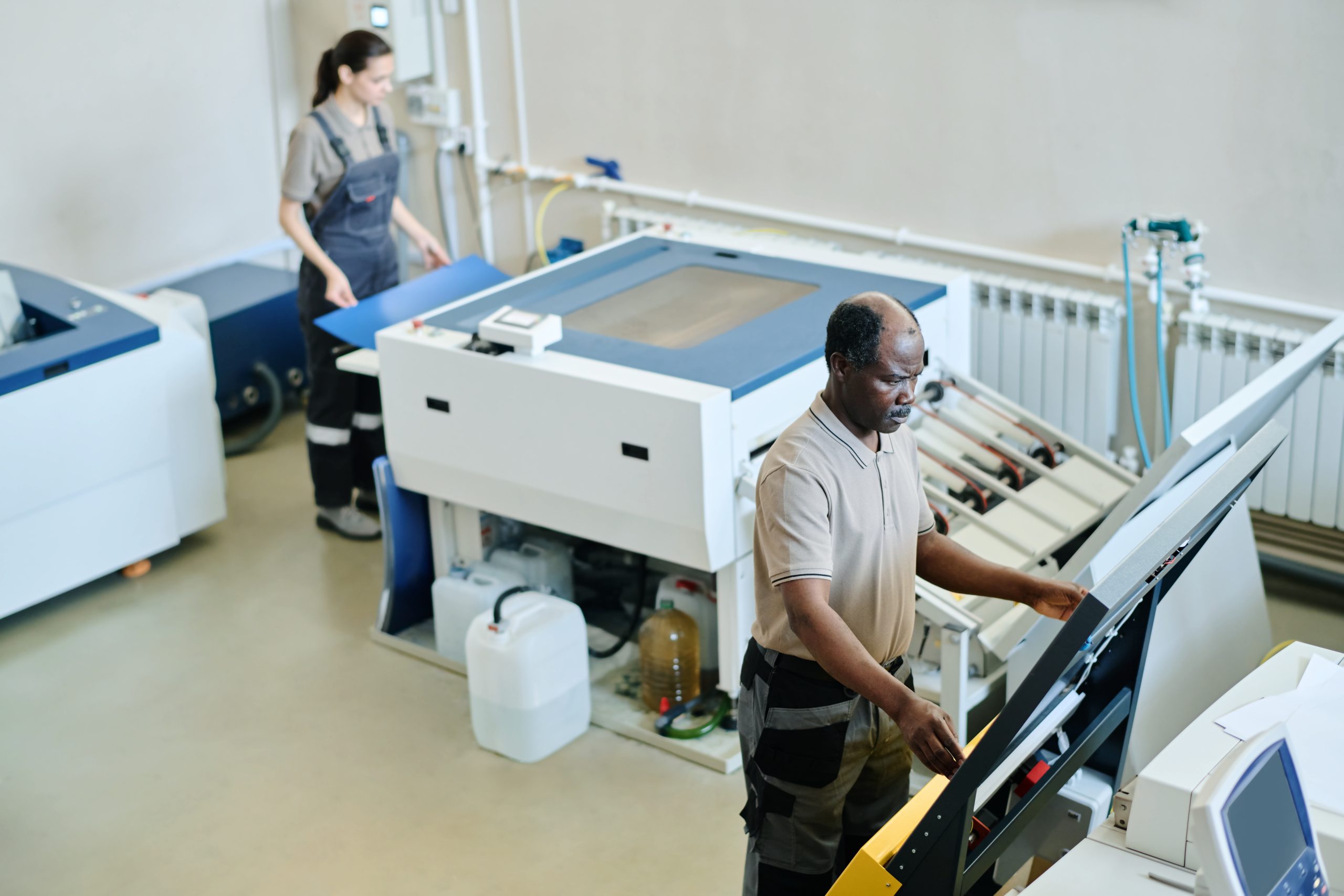
Most print jobs cross the line well before anyone admits it. Three patterns tend to signal the shift.
A business preparing for an exhibition at MCEC rarely needs a single brochure. It usually needs a set of things that have to feel related: handouts, booklets, folder inserts, signage, price sheets, schedules and staff materials. When those pieces are produced separately on an office printer, colour drifts across materials, trimming varies, and folded pieces crack on coated stock. Under expo lighting, handled all day by delegates, those defects are not minor.
Ray Bassett nearly missed a deadline before sending the job to Elgin. “Not only did they deliver, but the quality surpassed anything I’d anticipated for the price,” he says. That pattern is common. The job looks manageable on screen, the timeline tightens, the office machine cannot keep up, and the work lands with a commercial printer who was set up for it from the start.
Parkville’s healthcare and education organisations produce documents that are handled repeatedly, written on, carried between desks and used in settings where convenience matters more than visual flair. A training manual that will not stay open on a desk is badly specified, no matter how sharp the artwork looks.
Wire binding makes more sense for material that needs to lie flat during training. Uncoated pages make more sense where people need to write notes. A manual printed in-house may look acceptable from a distance, but if it fights the person using it, the production decision was wrong.
If the answer to “what happens after printing?” includes folding, creasing, binding, trimming, laminating, assembling or producing multiple polished sets on deadline, it has usually stopped being an office job. The Melbourne office that keeps the easy work in-house and sends the demanding jobs out is not being extravagant. It is reading the city correctly.
The risk is not the printing itself. It is the collation, assembly, consistency and presentation of repeated sets, which are poor uses of high-value office time in Melbourne’s professional services core.
Event work usually requires several coordinated printed items at once rather than one standalone document. MCEC reported more than three million visitors and 692 events in 2024, making expo and conference collateral a recurring Melbourne use case.
They need to function properly after printing. In settings like healthcare and education, manuals and information packs need durable binding and pages that can be handled or written on easily.
Ask what happens after printing. If the answer includes folding, creasing, binding, trimming, laminating, assembling or producing multiple polished sets on deadline, the job has outgrown the office machine.